


The design and reverse engineering of printed circuit boards and electronic devices is used when it is not possible to source the necessary equipment or components. In such circumstances, companies often turn to a local manufacturer, for which they must provide the relevant documentation, such as schematics, drawings and specifications. Our development team can design electronic devices from scratch or based on a provided sample.
Reverse Engineering of PCBs and Electronics
Reverse engineering involves studying an existing PCB or component sample in order to recreate the design documentation.
- Analysis of the device and its operating principle
- Option to modernise or improve the device upon request
- Delivery of design documentation
Documentation you will receive through reverse engineering:
- Electrical schematic
- Bill of Materials (BOM)
- PCB layout (Gerber files)
- Technical specifications
- PCB assembly drawing
When you order PCB reverse engineering, you will receive a complete set of documentation that can be used to recreate the required PCB as a working prototype.
When is reverse engineering appropriate?
When it is necessary to modernise or upgrade a device for which documentation is unavailable. This method can be used to create printed circuit boards for power supplies, controllers, digital devices and control boards.
Examples of completed projects include
A flexible printed circuit board for repairing wireless devices:
This allows for a re-evaluation of logistics and reduces dependence on suppliers. Additionally, manufacturing defects were eliminated during the development process, thereby extending the service life of this component.

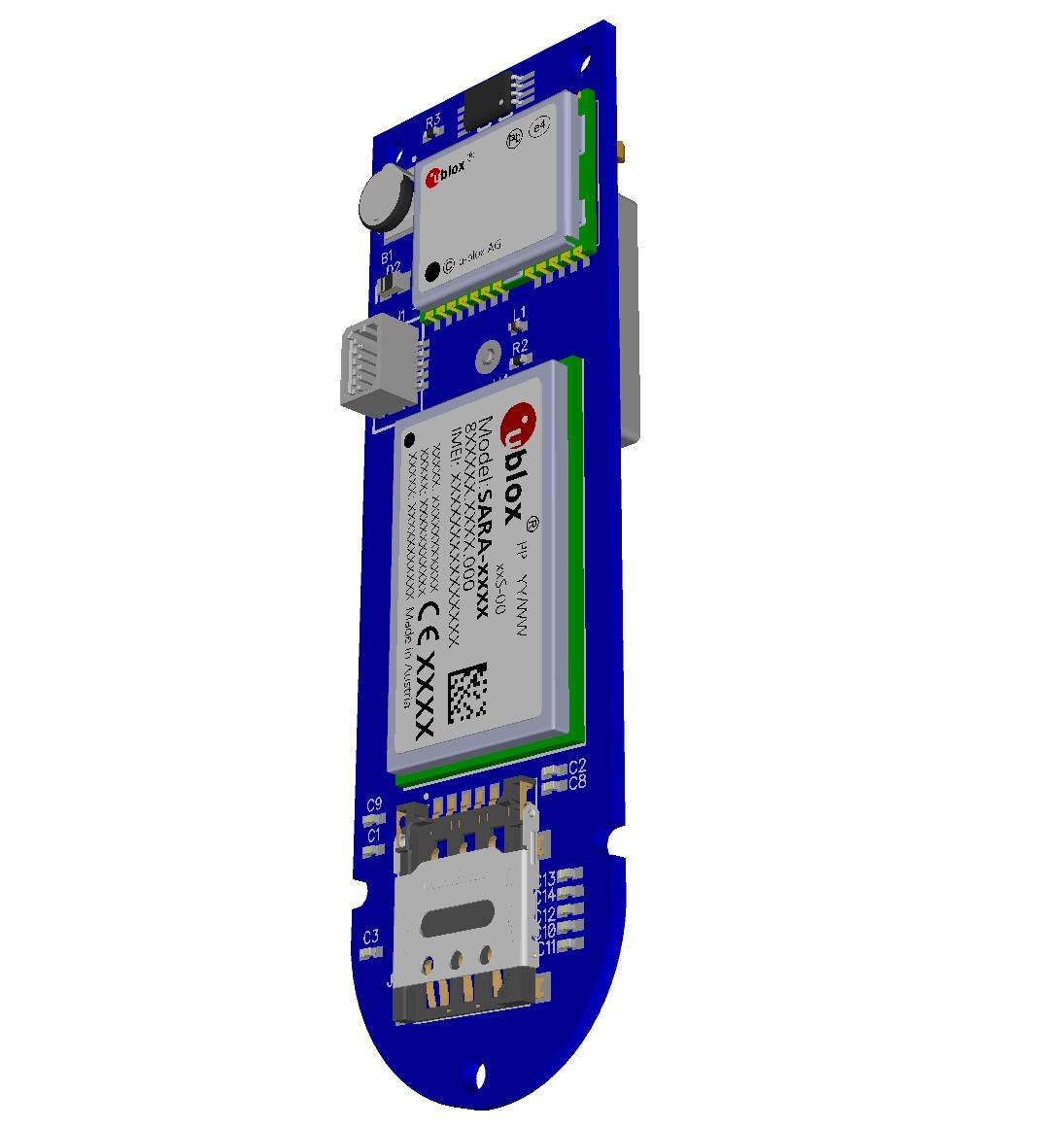
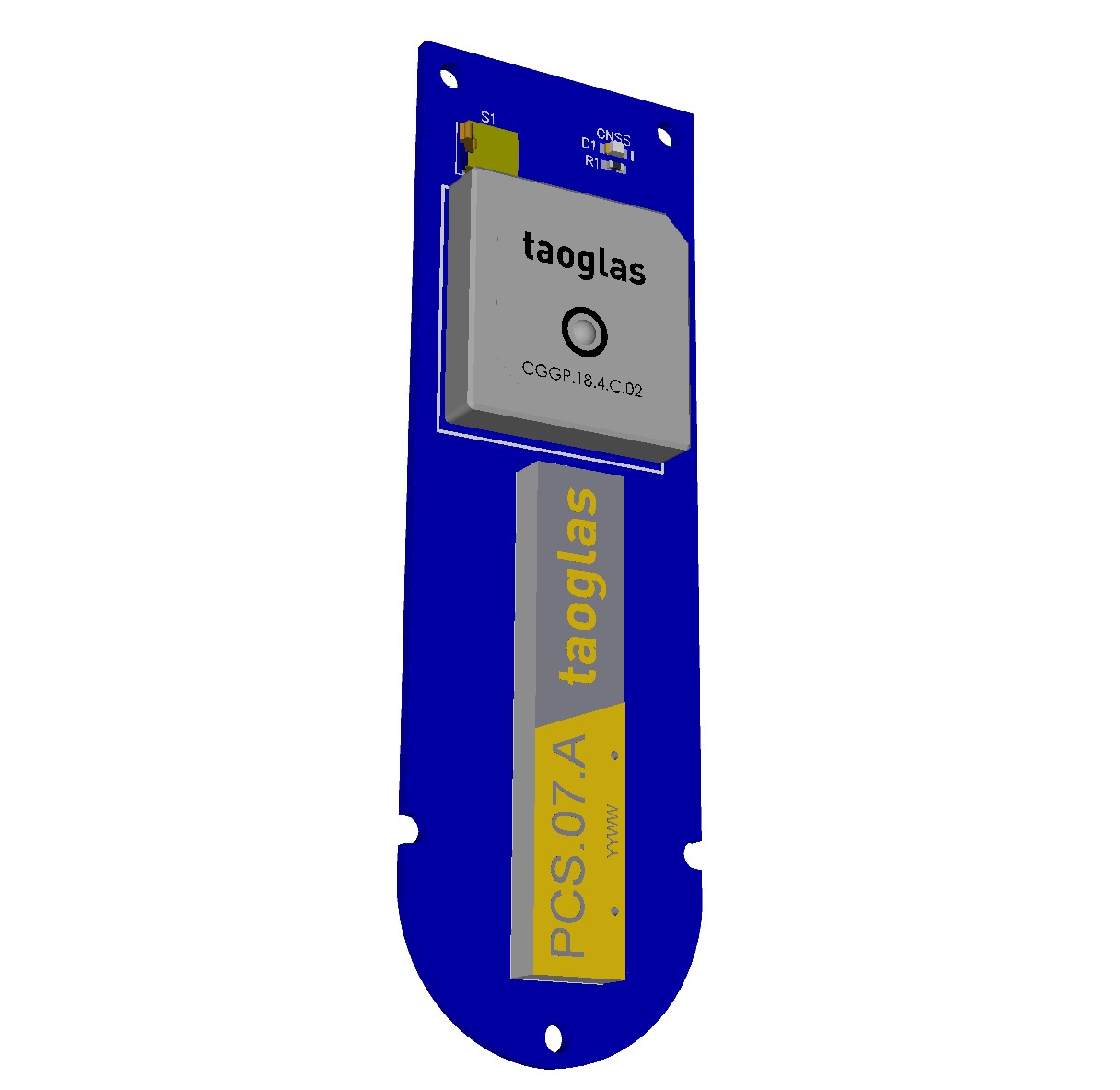
An IoT module for a Xiaomi electric scooter:
A prototype IoT module designed for installation in a Xiaomi M365 electric scooter. This module is designed to exchange data with the server of an electric scooter rental service. It can perform remote monitoring of the scooter’s status, turn the scooter on or off, monitor the battery charge level, read error codes, turn the lights on and off, report the tilt angle (whether the scooter is upright or lying down) and transmit location data via the GPRS-2G network based on GPS satellite data. Taoglas chip antennas ensure high-precision GPS positioning and data transmission. The module was also equipped with tamper protection and an audible alarm system. Its compact size allowed it to be integrated into the handlebar housing of the scooter without any additional modifications. This project was a prototype and did not go into mass production.
IoT data transmission module:
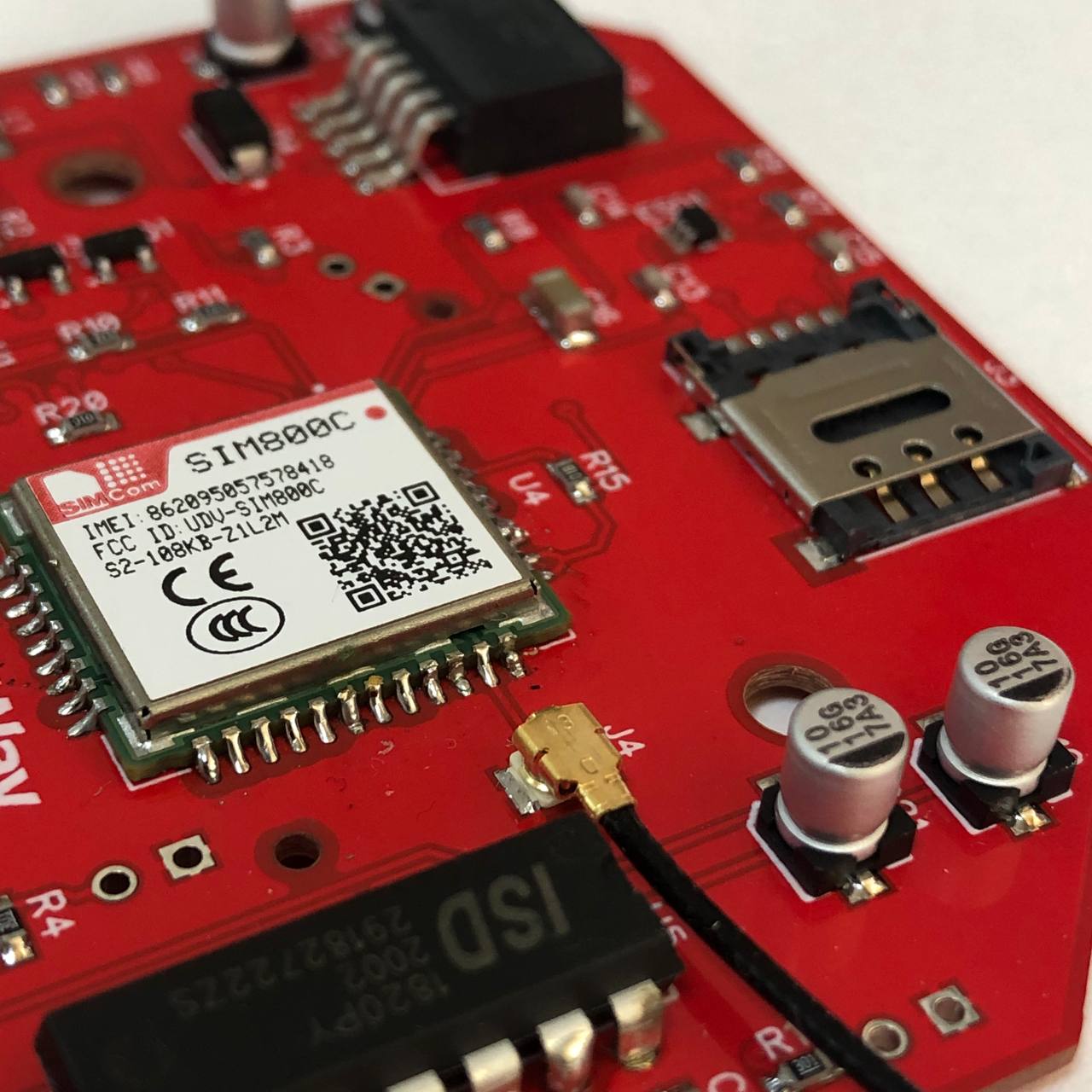
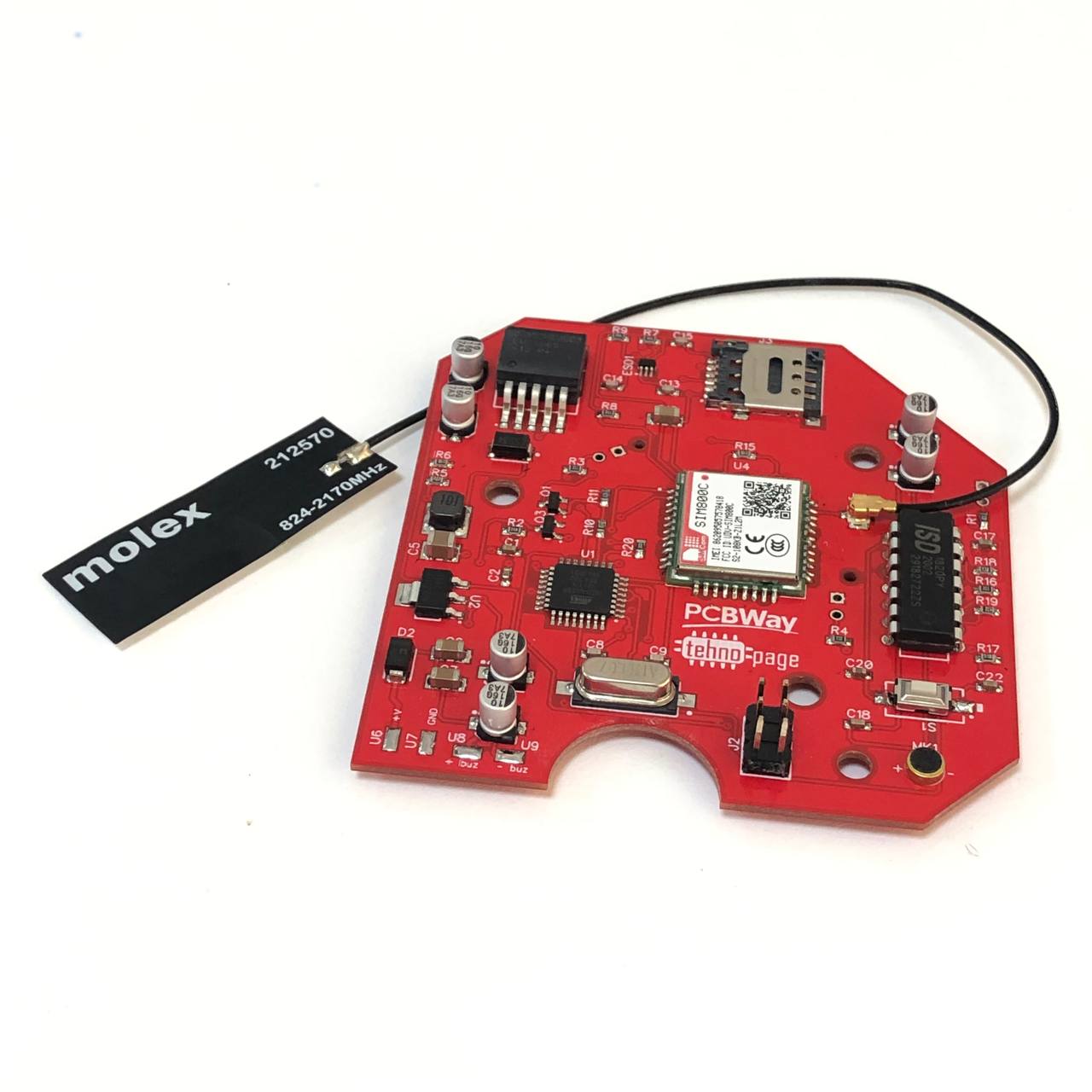
The “GSM Fire Alarm” IoT device is based on the SIMCOM SIM800C GSM module. It transmits a pre-recorded voice message to a specified phone number. The device features a photodiode and an IR LED which work together to monitor environmental transparency. When smoke is detected, the control program initiates a call to a previously registered phone number via an SMS command. The programme waits for the call to be answered and, once it is, begins playing the pre-recorded message. This message would then play on a loop until the called party hung up. The board featured a test button for verifying the detector’s operation and a programming connector.
Universal load controller:
This can be used with industrial equipment, fans, exhaust fans, lighting, and so on. In this project, control was carried out via a remote control, with the option of connecting a Wi-Fi module.

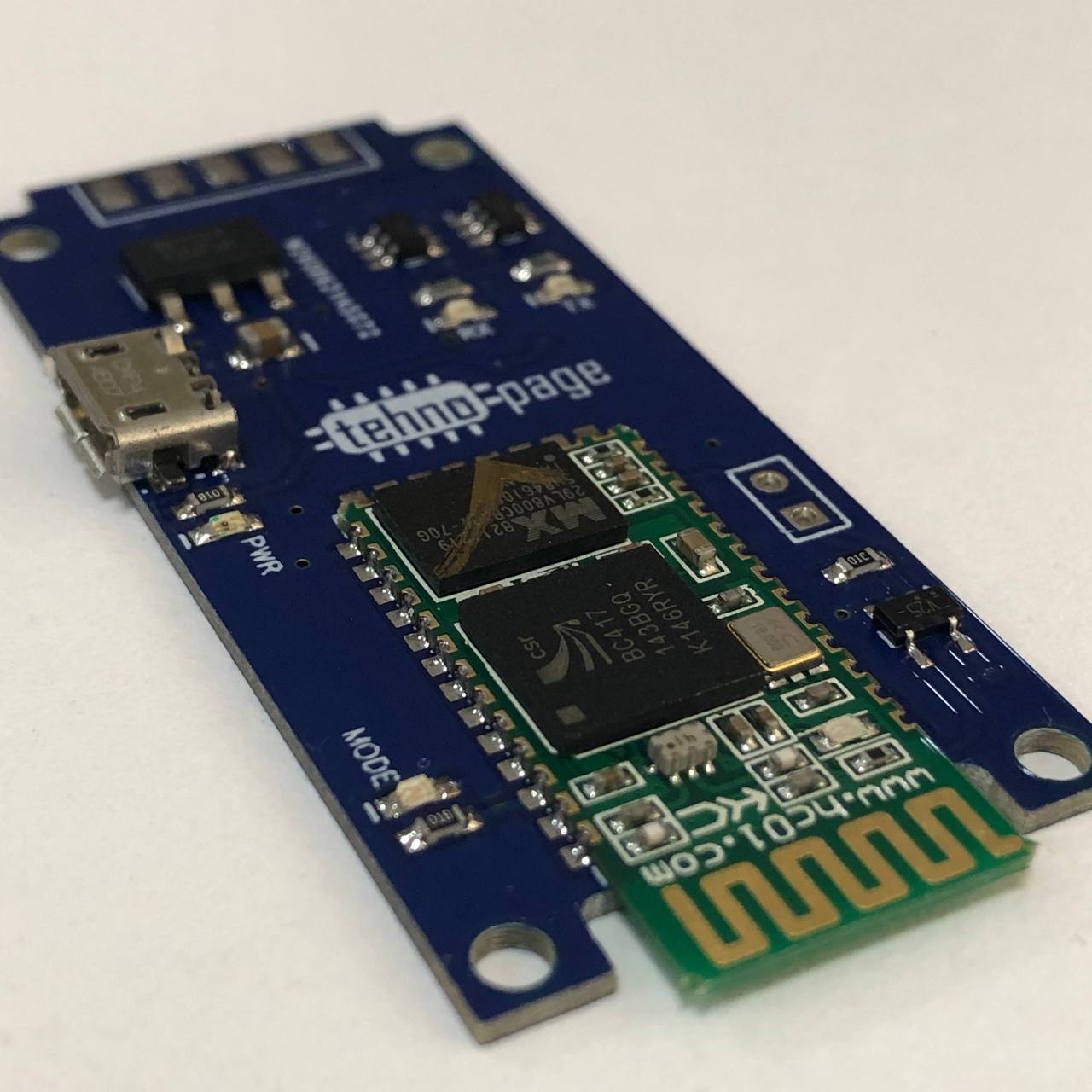
The RS232-Bluetooth data transmission module was used:
This module transmitted data via the RS232 interface to an Android app over a Bluetooth connection. A Micro-USB connector was used to supply power to the module board. The module connected to the D-Sub 9-pin connector of the data source device.
Solenoid Valve Driver:
It is designed to control solenoids in the hydraulic systems of process equipment.


Duplication of devices
Duplication of electronic printed circuit boards of ready-made devices. Once the work is complete, you will be provided with all the necessary documentation for manufacturing the device. We can also modify or adapt an existing project to meet your requirements. If necessary, we can also manufacture a prototype of the device.
How to get started?
All we need is a sample of the printed circuit board. To evaluate the cost of development, please send us high-quality photos of the circuit board from both sides.
Work stages:
1.Remove components from the circuit board.
2. Photographing
3. Trace the PCB
4. Decoding the marking, measuring the characteristics of passive components
5. Composing a list of components
6. Development of the assembly scheme
7. Additional work (development of a schematic diagram, modernisation of the original project, development of software, production and testing of prototypes, refinement)
Result:
-A project in the printed circuit board design programme
-Component list
-Assembly scheme
-Additional (principal scheme, development of the microcontroller program, changes to the project for placement of the circuit board in a different case, replacement of components, application of a logo, addition of new functionality, etc.).
Export and creation of Gerber files
We will export and prepare Gerber files for the production of printed circuit boards from any PCB design environment. We can create Gerber files from PCAD, KiCAD, DipTrace, Altium Designer, Sprint Layout, Eagle, FreePCB, DesignSpark PCB, ExpressPCB, ZenitPCB and any other files.
Digitising any printed circuit board drawings.
Electronic Device Development
We specialise in the development of electronic devices. To estimate the timeline and cost of developing an electronic device from scratch, please provide a technical specification.
Software development
We develop software for electronic devices, including firmware and drivers for STM, ESP, Atmel and PIC microcontrollers.
You retain all intellectual property rights to the development and all project source data. We guarantee the complete confidentiality of any information you provide. We can sign an NDA if necessary.
Arrange a consultation at your convenience: call +375 44 576-45-50 or contact us via messaging apps (WhatsApp, Telegram, Viber).
E-mail: info@bgalab.by